

Startling · Analysis-led consultancy · Leeds
I'm Dan Akers, and I've spent 25 years helping businesses work out what they actually need and then getting it built properly, for everyone from pre-startups to £1bn corporates. These days a lot of that work involves AI, and doing it safely.
Muker, Swaledale · photograph by Ian Cylkowski
Startling
Most digital projects go wrong in the same way: the proper thinking only starts after the money has changed hands. Everyone then finds out what the project really involves while it's already being built, so the costs go up and the timeline slips, and the original idea quietly gets lost in the middle of it all.
I work the other way round and do the thinking first. Before anyone commits to building anything, I'll get to grips with what your business actually needs, what your data really says and where the risks are hiding, and I'll write the whole lot down properly. What you end up with is a specification anyone can build from, and costs and timelines you can genuinely trust.
There's nothing I'm waiting to sell you once the analysis is done. I don't keep developers on a bench and I don't have a favourite platform I need to push, which is what lets me be honestly impartial about what you should do. If the project needs a team I know some brilliant people and I'm happy to make the introductions, but everything I produce is yours to take anywhere.
What I do
Everything here is led by me personally, and all of it produces something you own and can act on, with or without me involved afterwards.
A proper specification gives your idea its best possible chance. I run the workshops, ask the awkward questions early, and write everything down properly, from the goals and the features through to the phasing, the risks and the costs. Everything is numbered and evidenced, and there's enough detail that a team can build from it directly.
Clients have used my specifications to win funding and get sign-off from their boards, and then to get the thing built without the nasty surprises that usually turn up halfway through.
How it usually works: we start with a workshop, and I produce the full specification over the following two to six weeks, for a fee we fix up front.
AI can already do genuinely useful work inside a normal business. The danger comes when tools are handed access to things they should never be able to touch, so the first job is always the groundwork: I map your data and lock it down, I control exactly what each person and each tool is allowed to reach, and I make sure nothing can ever be deleted or quietly overwritten.
With that in place your people are free to ask questions, automate the tedious bits and even build their own tools, because there's nothing they can do that would break something that matters. This is most of what I do now, and to be honest it's the most useful I've ever been.
How it usually works: we map the data first, and after that you roll things out at whatever pace suits the business.
A specification only pays off if the build actually sticks to it, so I stay involved right through delivery, looking after the requirements and the user stories, keeping the scope honest and making sure everyone keeps talking to each other. These days that can also mean AI pipelines that write and check specification detail at a scale no human team could keep up with.
It's unglamorous work, and it's usually the difference between a specification that gets delivered and one that ends up in a drawer.
How it usually works: an ongoing part-time arrangement alongside your team, or alongside one I've helped you put together.

“I'm not willing to say whatever you want to hear just to get a project signed off. I'd rather do the analysis properly and give you costs and timelines I can actually stand behind.”
Dan Akers, Startling
North Yorkshire · photograph via Unsplash
Track record
The first ten were inside big corporates in finance, government and education, then from 2010 I worked on the agency side, and since 2019 I've run my own practice. The job itself has never really changed: you have to understand the business properly before anyone builds anything.
A lot of what I work on is still raising funding or still being built, so I can't talk about it publicly yet. This is some of the work I can show.




































How I work
They haven't changed in twenty-five years, and they're the reason clients come back.
I won't put a price or a timeline on anything until the thinking has actually been done, and I don't believe anyone else should either. Guessing at those numbers is the single biggest reason projects fail.
I have no platform to push and no build to sell, so if the right answer is that you shouldn't build something at all, that's what I'll tell you. I'd rather lose the work than waste your money.
Everything I write is numbered, evidenced and put together so that someone else could pick it up without me in the room, and it should still be earning its keep years later.
This matters more than ever with AI. I set things up so the data is locked down and every change can be undone, which leaves people free to experiment without any way of breaking something important.
What working together looks like
Most work starts with a workshop, which takes about half a day, happens around Leeds or on a call, and is genuinely good fun. That leads into a fixed-fee piece of analysis with a proper deliverable at the end of it, and after that I'll give you as much or as little support as you need while it all gets built. You'll never find yourself on a retainer you don't understand, or paying for scope you never agreed to.

About
I spent my first ten years inside big corporates, mostly banks, government and education, and at one point that meant a month in Sydney specifying a platform for two and a half thousand schools. In 2010 I moved over to the agency side, and I've been doing analysis for businesses of every size ever since, plus a few hundred workshops and talks along the way.
I also founded Gold Top Collective, a development collective that's open about being AI-powered, and Not a thing., a non-profit that keeps grassroots music going in Leeds. Startling is where the analysis lives.
When a project needs more than me, I bring in people I've worked with for years and trust completely, so you get the reach of a bigger team without ever being handed off to a stranger.
The longer story, and what an analyst actually does
Dan
“The businesses that get real value from AI will be the ones that did the groundwork and made it impossible to break anything.”
On safe AI, 2026
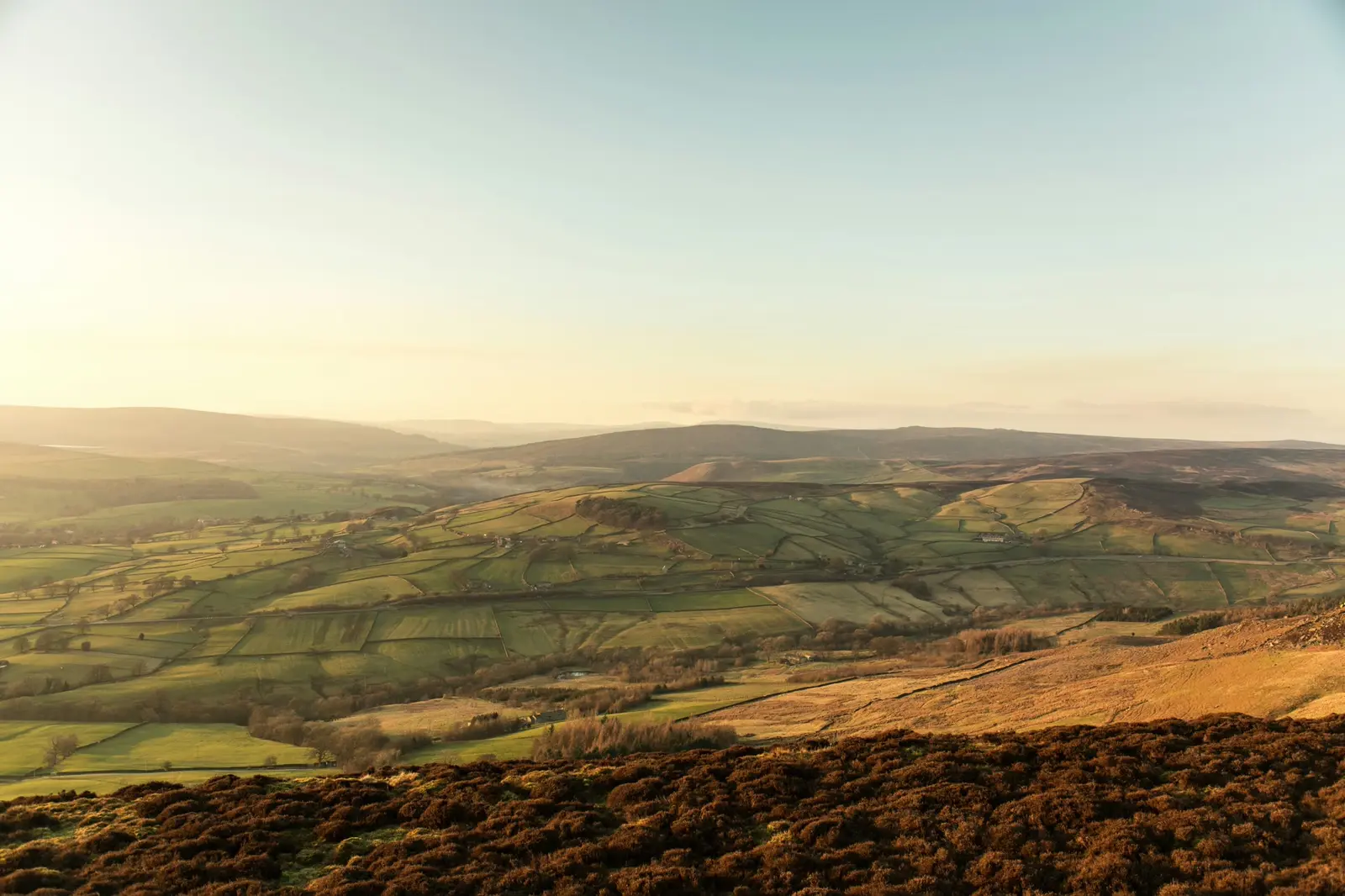
Yorkshire · photograph by Jamie Davies
Contact
I'm easy to talk to and I'll be straight with you about whether I can actually help. If the honest answer is that you don't need me, I'll tell you that for nothing.
Based in Leeds and working anywhere.